
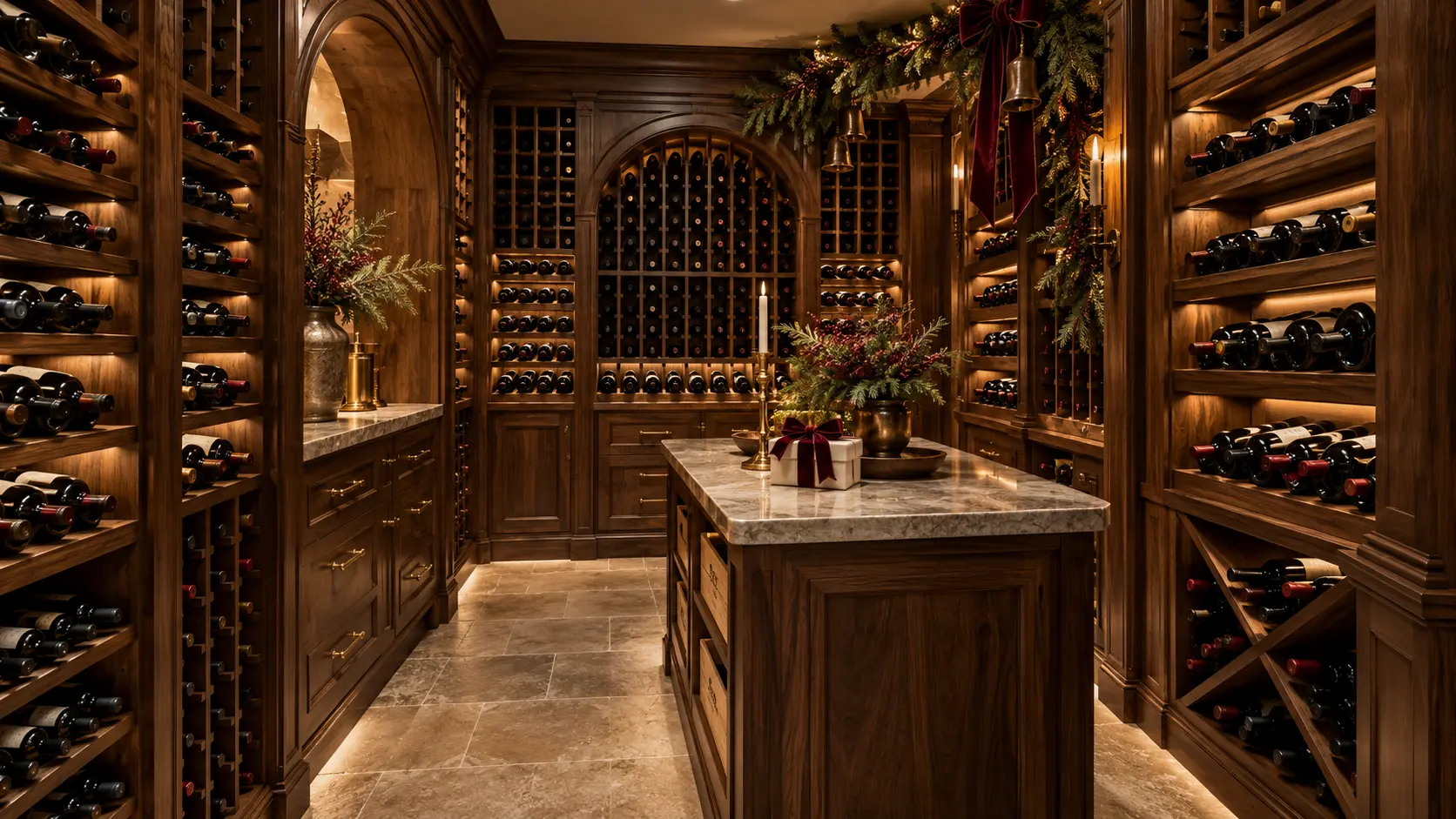
Building a wine collection takes time, attention, and often a considerable investment. Yet even carefully selected bottles can lose quality when stored under unsuitable conditions. Whether you keep a few special vintages at home or maintain a growing collection, understanding common wine storage mistakes can help protect your bottles and preserve their intended character.
Wine is sensitive to its surroundings, particularly temperature, light, and repeated environmental changes. The good news is that many storage problems are preventable with thoughtful planning and consistent monitoring.
1. Storing Wine at the Wrong Temperature
Temperature is one of the most important factors in wine storage. Excessive heat can accelerate chemical reactions, potentially causing wine to age prematurely and lose desirable aromas and flavours.
Extremely cold conditions can also create problems, particularly if wine approaches freezing temperatures.
For many wines intended for long-term ageing, approximately 12°C to 14°C is a commonly used storage target. However, ideal conditions depend on the wine, closure, and intended storage period.
Avoid assuming that normal household temperatures are suitable for ageing valuable bottles.
A dedicated wine refrigerator or properly designed storage environment can provide more consistent conditions than an ordinary kitchen cabinet.
2. Allowing Frequent Temperature Fluctuations
Even when average temperatures seem acceptable, repeated changes can affect storage quality.
Wine kept near heating vents, exterior doors, or frequently opened windows may experience significant temperature swings.
Seasonal changes are particularly relevant in Canadian homes, where indoor heating and summer temperatures can create very different conditions throughout the year.
Choose a location that maintains a stable environment rather than one that simply feels cool during certain months.
Monitoring temperature over several weeks can reveal fluctuations that occasional measurements might miss.
3. Ignoring Humidity Levels
Humidity deserves attention, especially when storing bottles sealed with natural cork.
Very dry conditions may contribute to cork deterioration over extended periods, potentially compromising the seal. Excessively humid environments can encourage mould growth and damage paper labels.
A moderate relative humidity range, often around 50% to 70%, is commonly considered for traditional wine storage, although exact recommendations vary.
Humidity alone cannot guarantee cork integrity, and bottle closure design also matters.
Use a reliable hygrometer to monitor conditions instead of relying on how the room feels.
If humidity problems persist, investigate ventilation, insulation, and moisture sources before introducing additional equipment.
4. Exposing Bottles to Direct Sunlight
Displaying wine bottles beside a bright window may look attractive, but prolonged exposure to sunlight can compromise their quality.
Ultraviolet light and excessive illumination can contribute to undesirable chemical changes, particularly in light-sensitive wines.
Sunlight can also warm bottles unevenly, creating an additional temperature problem.
Store valuable wines away from direct sunlight and strong artificial lighting.
If your collection is displayed behind glass, consider lighting design, glazing characteristics, and exposure duration.
Low-heat, carefully positioned LED lighting is often preferable for display areas, but it does not eliminate every light-related risk.
5. Storing Bottles in the Wrong Position
Bottle orientation depends partly on the type of closure.
Wines sealed with natural cork are traditionally stored horizontally during extended ageing. This arrangement is commonly used to support cork contact with the wine, although research and recommendations about orientation are not entirely uniform.
Bottles with screw caps or certain alternative closures generally do not require horizontal storage for cork-related reasons.
Sparkling wines and specialty bottles may have additional considerations.
Rather than applying one rule to every bottle, consider closure type, producer guidance, and intended storage duration.
Well-designed racks should also support bottles securely and allow safe access without disturbing neighbouring wines.
6. Keeping Wine Near Strong Odours
Wine bottles should be stored away from chemicals, cleaning products, solvents, and other potentially contaminating materials.
Although an intact closure provides protection, prolonged exposure to certain volatile compounds may create concerns, particularly when seals are compromised.
Avoid using garages, utility rooms, or storage cupboards containing paint, fuel, or strong household chemicals for valuable collections.
A clean, dedicated environment also makes it easier to maintain appropriate hygiene and identify problems early.
7. Overlooking Vibration and Movement
Constant vibration is another consideration for long-term wine storage.
Equipment, nearby machinery, and frequent bottle handling can introduce unnecessary movement.
The precise effect of ordinary household vibration on wine ageing remains less established than temperature-related risks, so dramatic claims should be treated cautiously.
Nevertheless, a stable storage location is sensible, particularly for bottles intended to remain undisturbed for years.
Avoid placing collections directly beside washing machines, heavy mechanical equipment, or frequently used work surfaces.
8. Choosing Appearance Over Storage Performance
A beautiful wine display does not automatically provide suitable preservation conditions.
Glass walls, decorative shelving, and dramatic lighting can enhance a room, but they must be considered alongside insulation, cooling capacity, humidity, and air circulation.
For example, a glass-enclosed wine room may require careful thermal planning because glazing can increase heat transfer.
Similarly, an attractive wooden rack cannot compensate for an overheated room.
When considering a custom wine storage space, evaluate environmental performance before selecting decorative finishes.
The most successful designs combine visual appeal with practical protection.
A beautiful wine display should do more than complement your interior design. Proper temperature control, humidity management, and thoughtful bottle placement are essential for protecting your collection. Working with specialists in Custom Wine Cellars in Vancouver can help you create a storage environment that balances sophisticated design with the practical conditions your wines need.
9. Forgetting to Monitor Storage Conditions
Installing cooling equipment is not the final step in protecting a collection.
Thermostats, door seals, ventilation systems, and humidity controls may require periodic inspection.
A separate thermometer and hygrometer can help identify unexpected changes.
For valuable collections, consider monitoring equipment that records temperature trends and provides alerts when conditions move outside an appropriate range.
Regularly inspect bottles for leakage, damaged closures, unusual residue, or other visible concerns.
Keep in mind that external appearance alone cannot confirm whether a wine has been damaged.
10. Failing to Organise Your Collection
Poor organisation can lead to unnecessary handling, forgotten bottles, and missed drinking windows.
Arrange wines according to a system that works for your collection, such as producer, region, vintage, or intended drinking period.
Maintain a simple digital inventory or written record.
Record purchase dates, storage locations, and any relevant producer recommendations.
Allow sufficient space between storage areas so bottles can be retrieved without excessive movement.
Good organisation supports both collection management and a more enjoyable wine experience.
How to Improve Your Wine Storage Setup
Start by evaluating your current environment.
Measure temperature and humidity, identify sources of heat or sunlight, and consider how frequently bottles are moved.
For smaller collections, a suitable wine refrigerator may offer a practical solution.
Larger or more valuable collections may benefit from a dedicated temperature-controlled room designed around the home’s construction and the owner’s storage goals.
Professional planning can help address insulation, cooling equipment, ventilation, shelving, and access before expensive installation decisions are made.
Choosing the right storage design is just as important as maintaining proper conditions. Explore our Wine Cellar Collections to discover different shelving materials, layouts, and display styles that can complement your space while keeping your wine collection organised.
Final Thoughts
Protecting a wine collection requires more than finding an attractive place to display bottles.
Stable temperature, appropriate humidity, limited light exposure, secure storage, and regular monitoring all contribute to better preservation conditions.
By recognising these common wine storage mistakes, collectors can make informed decisions that support their wines over time.
Whether your collection contains everyday favourites or bottles intended for extended ageing, thoughtful storage helps protect the effort and investment behind every selection.
